U.S.–Greenland partnership that’s truly “Greenland-first”
The single fastest way to kill the whole thing
Any U.S. rhetoric about “taking” or “acquiring” Greenland collapses trust and forces Greenlandic leaders to harden publicly (and pushes allies to respond militarily/diplomatically, as we’re seeing this month). (AP News)
Greenland-first requires U.S. officials to talk like partners, not purchasers.
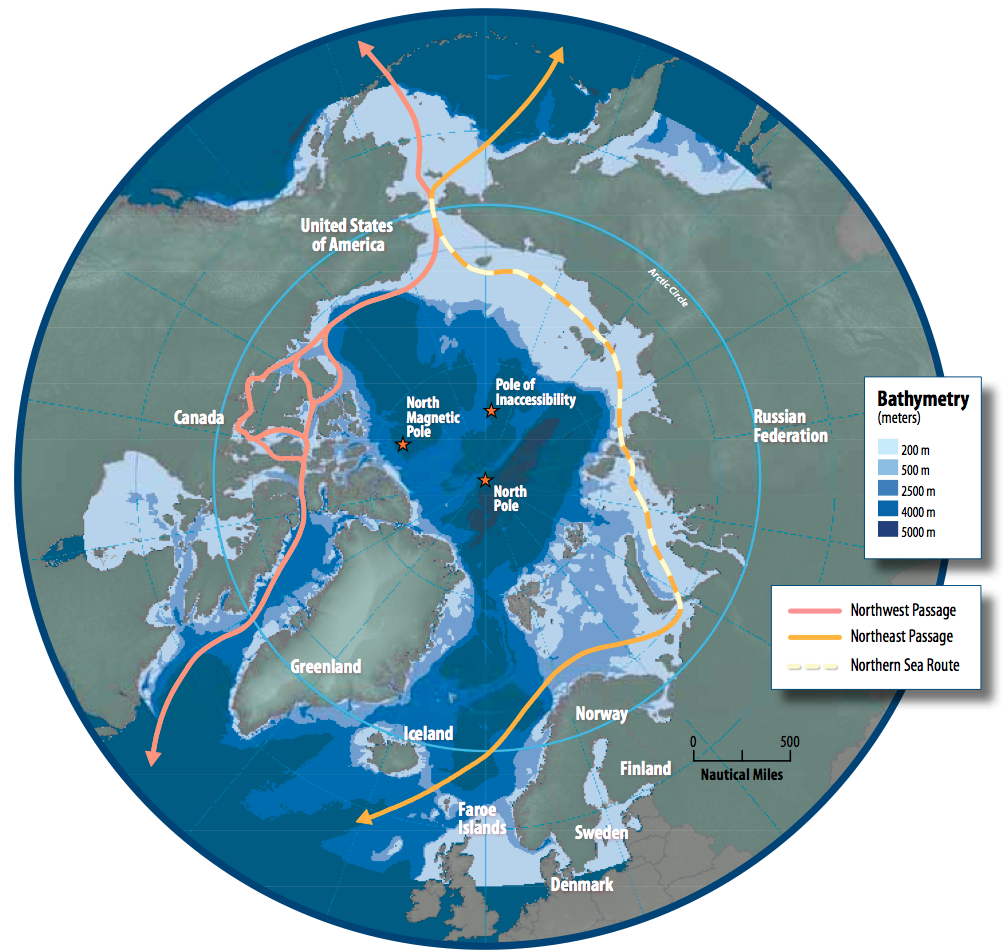
A direct U.S.–Greenland partnership that’s truly “Greenland-first” has to do two things at once:
Treat Greenland as the principal (not a Danish add-on), and
Stay inside the legal reality that U.S. defense presence runs through the Kingdom of Denmark framework (1951 agreement + 2004 update), so you build direct working relationships and benefits with Greenland without pretending Denmark doesn’t exist. (State Department)
Here’s what that looks like as a practical, signable package.
The Direct U.S.–Greenland Package (10-year, 5 deals)
1) U.S.–Greenland “Consent & No-Surprises” Protocol (security legitimacy)
Goal: make U.S. security activity politically sustainable in Nuuk.
What the U.S. commits to
Written advance notice + consultation to the Government of Greenland for any major operational/footprint change tied to Pituffik, aligned with existing notification expectations from the 2004 Igaliku update. (State Department)
A standing Greenland-facing incident + environmental reporting channel (not PR—real data and response timelines).
What Greenland commits to
A stable process for reviews/permits and a single interagency contact point (so “consultation” isn’t endless bureaucracy).
Why it’s Greenland-first: it shifts the center of gravity from “U.S.–Denmark, Greenland informed later” to “Greenland is briefed early because Greenland lives with the consequences.”
2) Arctic Safety & Search-and-Rescue Compact (the most popular “security”)
Goal: make “security cooperation” feel like public safety.
Joint investment in:
Search-and-rescue corridors, maritime domain awareness feeds, emergency comms redundancy
Training + equipment for Greenland responders
Seasonal exercises focused on rescue/logistics (not warfighting theater)
This is the kind of cooperation Greenland leaders routinely signal they’re open to—even while rejecting any talk of “takeover.” (TIME)
3) Community-First Infrastructure Fund (ports, comms, runways—civilian designed)
Goal: build what Greenland needs anyway, with strategic resilience as a byproduct.
U.S. financing (grants + co-investment) for:
Small harbors optimized for fishing + resupply + SAR
Runway safety / medevac improvements
Undersea cable redundancy and secure telecom upgrades
Hard rule: no project qualifies unless it has a published “primary civilian purpose” and a Greenland maintenance/workforce plan.
(Direct investment and “safe, secure and sustainable” investment language is already a stated theme in U.S.–Greenland cooperation; this just makes it bigger and more concrete.) (U.S. Embassy Denmark)
4) Energy Independence Accelerator (microgrids + workforce)
Goal: reduce cost and vulnerability—an independence enabler.
Microgrids, storage, winterization, and operator training
U.S. technical assistance structured as “train-the-trainer” so capacity stays in Greenland
This is “strategic” without looking strategic, and it’s politically easy to defend at home.
5) “Sovereignty-First Minerals” Framework (patience + de-risking, not pressure)
Goal: give Greenland options without triggering backlash.
Key realities:
Greenland reinstated a uranium-related mining ban in 2021, which complicates several rare-earth projects (including Kvanefjeld/Kuannersuit), and litigation has dragged on. (CSIS)
So the U.S. offer should be:
Upfront de-risking (mapping, baseline environment studies, feasibility work)
Allied processing/offtake pathways (so Greenland isn’t forced into China-centered chains)
Transparency + community benefit agreements as a condition for any U.S.-backed deal
What Greenland gives: clear rules and predictable timelines—not a promise to mine.
Why it’s Greenland-first: it respects that Greenland may say “not now” (or “not this project”) and still keeps the relationship strong.
The “Direct” Governance Mechanism (how you keep Denmark from becoming the choke point)
A U.S.–Greenland Executive Forum (separate from—but parallel to—the Joint Committee)
The U.S.–Greenland Joint Committee already exists as a formal cooperation channel. (U.S. Embassy Denmark)
A Greenland-first evolution is to add a direct U.S.–Greenland forum that focuses on day-to-day implementation:
Quarterly working sessions in Nuuk/Washington
Project pipeline + timelines
Investment screening coordination (ports/comms/airfields)
Workforce/education targets
Denmark isn’t “cut out”; it simply isn’t allowed to be the only doorway.


Leave a Reply