…says a leader is “following the Putin model.”
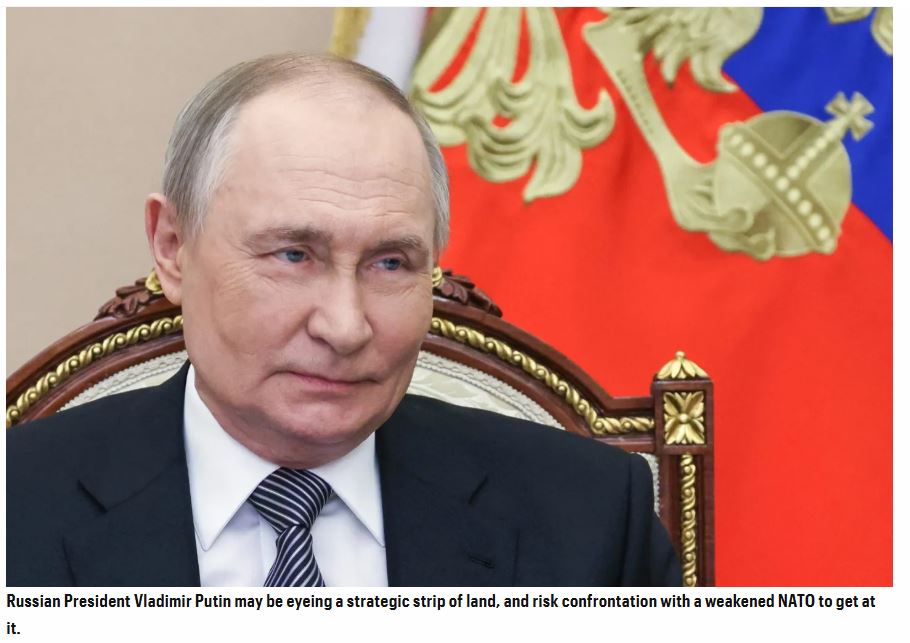
So you’re curious about what it means when someone says a leader is “following the Putin model.” Let’s delve into that, because understanding these parallels can illuminate broader concerns about leadership and democracy.
Vladimir Putin, Russia’s long-standing leader, has crafted a governance style characterized by:
1. **Consolidation of Power**: Centralizing authority by weakening checks and balances, ensuring that executive power faces minimal resistance.
2. **Extended Tenure**: Modifying laws and constitutions to remain in power beyond traditional term limits, effectively resetting the clock on presidential terms.
3. **Suppressing Opposition**: Marginalizing, discrediting, or outright silencing political opponents and critics through legal means or state influence.
4. **Controlling Media**: Dominating the information landscape by regulating independent media outlets and promoting state-sponsored narratives.
5. **Nationalistic Rhetoric**: Utilizing strong patriotic messaging to unite the populace, sometimes diverting attention from internal issues.
**Parallels Drawn with Trump’s Leadership**
When critics suggest that Trump is following this model, they’re pointing to actions and behaviors that seem to mirror these tactics:
– **Challenging Democratic Norms**: For instance, questioning the legitimacy of election results without substantial evidence can undermine public trust in electoral processes.
– **Attacking Institutions**: Discrediting agencies like the FBI, CIA, or judiciary when their findings or rulings don’t align with his preferences weakens these institutions’ authority.
– **Media Relations**: Labeling mainstream media as “fake news” and promoting alternative outlets that offer favorable coverage can skew public perception and limit access to balanced information.
– **Personal Loyalty Over Expertise**: Prioritizing appointments of individuals based on loyalty rather than qualifications can erode the effectiveness of governmental departments.
– **Politicizing National Identity**: Emphasizing a specific vision of nationalism that may exclude or marginalize certain groups within the country.
**Why This Comparison Matters**
Understanding these similarities isn’t just about critiquing a leader—it’s about recognizing patterns that could have profound implications for democratic principles:
– **Erosion of Checks and Balances**: Democracies rely on separate branches of government holding each other accountable. Undermining this system can lead to unchecked executive power.
– **Freedom of the Press**: A free and independent media is crucial for informed citizenship. Attacks on the press can hinder transparency and accountability.
– **Public Trust**: Repeatedly challenging the integrity of elections and institutions can create cynicism, discouraging civic engagement and participation.
**Reflecting on the Impact**
Have you noticed how these actions influence public discourse and societal divisions? It’s not just about political strategies; it’s about how these approaches affect everyday lives:
– **Community Polarization**: Heightened rhetoric can deepen divisions among friends, families, and communities, making constructive dialogue more challenging.
– **Policy Implications**: Decisions made without robust debate or oversight might not serve the broader public interest, affecting areas like healthcare, education, and the economy.
**What Can Be Done?**
Feeling concerned is a valid response, and there are constructive ways to address these issues:
1. **Stay Informed**: Engage with multiple reputable news sources to gain a well-rounded understanding of current events.
2. **Civic Participation**: Vote in all elections, attend town halls, and stay in touch with your representatives to ensure your voice is heard.
3. **Support Institutions**: Advocate for the independence of the judiciary, free press, and other bodies that uphold democratic values.
4. **Promote Dialogue**: Encourage respectful conversations that bridge divides, focusing on shared values and common ground.
5. **Community Involvement**: Join local organizations or initiatives that work towards promoting transparency, accountability, and civic education.
**Thinking Ahead**
Have you considered how your unique skills and passions could contribute to positive change? Whether it’s organizing community events, writing opinion pieces, or simply fostering open conversations among peers, every action counts.
**Understanding the Broader Context**
It’s also valuable to explore why such leadership styles gain traction:
– **Economic Uncertainty**: Times of economic stress can make strong, decisive leadership appealing, even if it comes at the expense of democratic norms.
– **Social Changes**: Rapid societal shifts can lead to a desire for stability, sometimes making authoritarian approaches more palatable to some.
– **Misinformation**: In the age of social media, false narratives can spread quickly, influencing public opinion and sowing distrust.
By recognizing these factors, you can better understand the motivations behind certain political movements and address underlying concerns more effectively.
**Final Thoughts**
Your curiosity about this topic is a crucial first step. By staying engaged and encouraging others to do the same, you contribute to the health and vibrancy of democracy. Remember, meaningful change often starts with informed individuals asking the right questions.


Leave a Reply