compared with 2 years ago and the condition 2 years from no
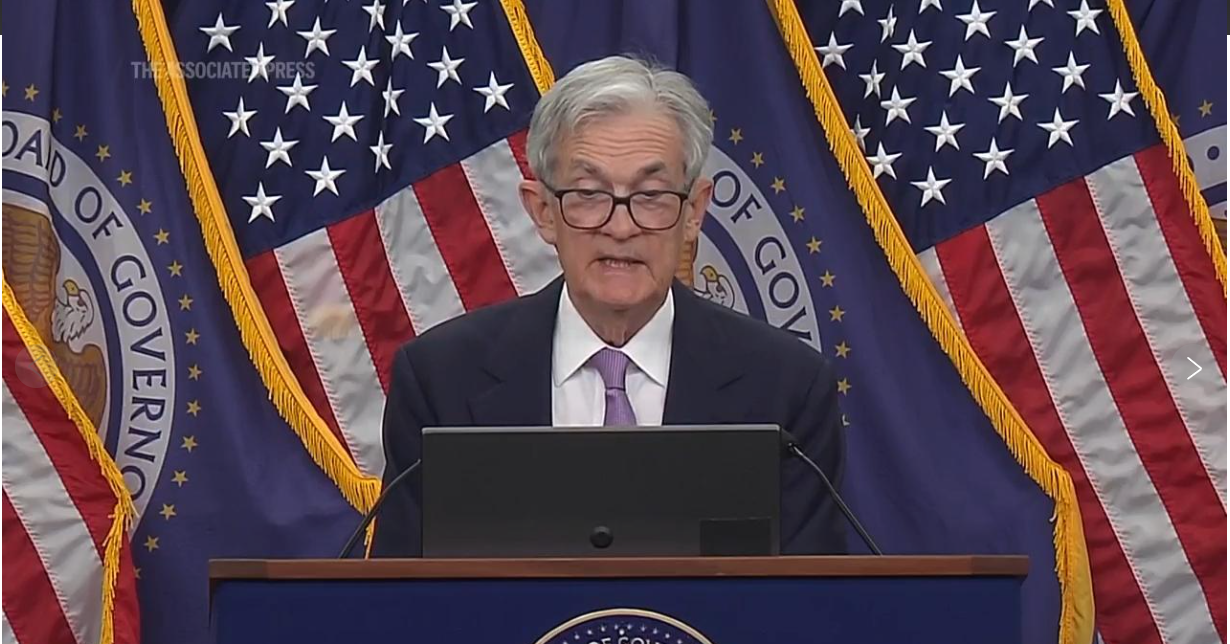
The U.S. economy has shown remarkable improvement over the past two years and is projected to maintain stability through 2026.
Current Economic Performance
The economy has significantly outperformed expectations, achieving strong growth and bringing inflation down while maintaining low unemployment
GDP growth reached 3.1% in Q3 2024, well above trend expectationThe current unemployment rate stands at 4.1%, having remained relatively stable since December 2021.
Two Years Ago (2023)
The economy defied recession predictions in 2023, achieving 2.6% growth when forecasters had predicted negative growth. The U.S. achieved particularly strong GDP recovery, reaching pre-pandemic trend levels while showing exceptional labor market resilience.
Projected Outlook (2026-2027)
Economic growth is expected to moderate but remain stable:
GDP growth is projected to be 2.0% in 2025 and settle at 1.8% by 2026
Unemployment rate is forecast to stabilize around 4.4% through 2025 before declining to 4.2% by late 2026
Inflation is expected to reach the Federal Reserve’s 2% target by Q4 2025
The economy is projected to add 1.3 million jobs in 2026
Key Economic Indicators
Consumer spending remains strong, supported by robust household finances despite some increased debt delinquency rates
. The Federal Reserve is expected to ease monetary policy, which should promote stronger consumer spending and business investment.
Several major uncertainties are affecting the U.S. economy in 2025, primarily driven by policy changes and economic indicators.
Policy Uncertainties
The incoming administration’s policy proposals create significant economic uncertainty through:
Potential implementation of new tariffs on China and other trading partners, which could disrupt global trade and increase inflation
Stricter immigration policies that may reduce labor supply and affect consumption growth
Proposed tax changes and deregulation efforts that could stimulate short-term growth but create longer-term risks
Economic Concerns
The economy faces several structural challenges:
Persistent inflation remains above target, delaying the Federal Reserve’s goal of reaching 2% until Q4 2025
The Federal Reserve’s rate-cutting path has become less certain, indicating a more gradual, data-driven approach
Market conditions show weakness in stocks and potential volatility in response to policy changes
Growth Projections
Economic forecasts show diverging predictions:
Some analysts project growth of 2.0% for 2025
Others forecast a more concerning scenario with growth slowing to 1.6% and a potential recession in 2026
Rising trade tensions could weigh on global industrial production and investment regardless of actual policy outcomes


Leave a Reply